
Exterior guide
Painting stucco vs concrete block: what changes
Most homes in Pinellas County are built from concrete block, and most of those are finished in stucco. Both are masonry, but they do not get painted quite the same way.
A lot of painting advice is written for wood siding in cooler places. Here, the wall is usually block or stucco, and the prep that matters is masonry prep. This guide covers what is different about each surface, the problems you are likely to see, and how a good repaint deals with them. For how we handle exterior work overall, see exterior painting.
First, which one do you have?
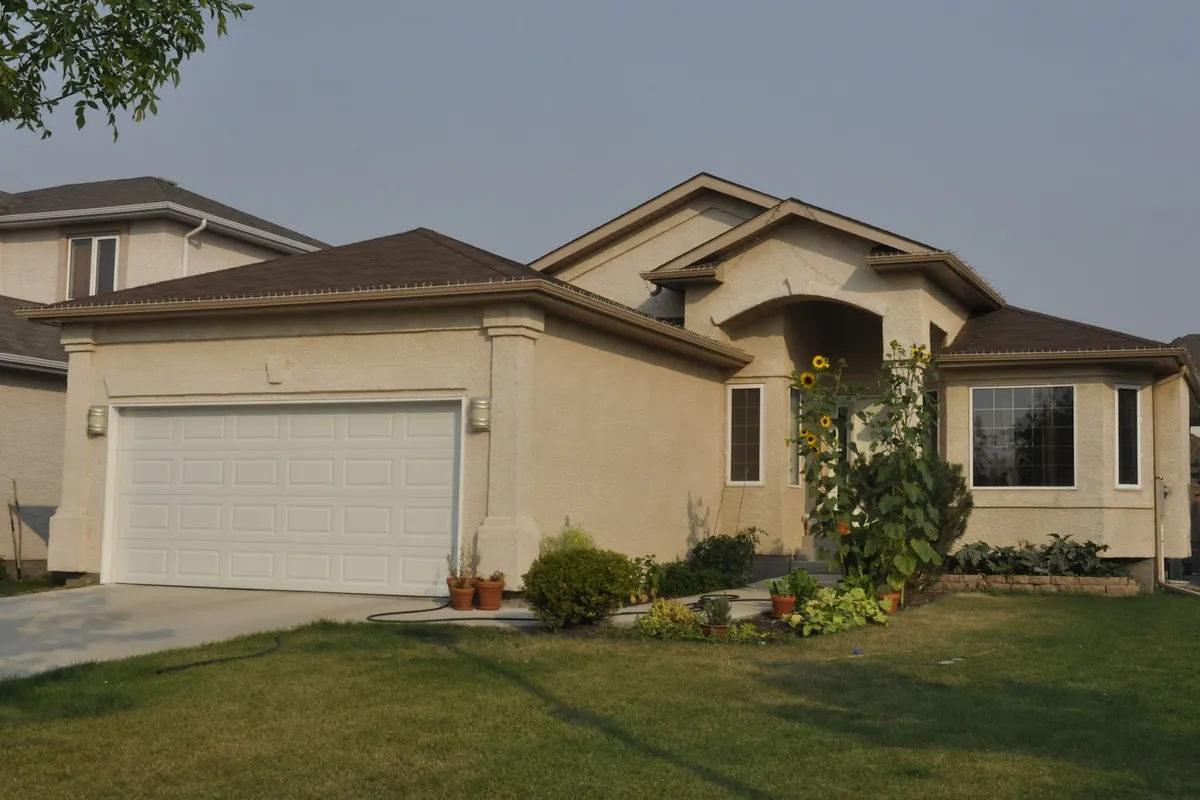
Look closely at the wall. Bare or painted concrete block shows a grid of rectangular units with mortar lines between them, and a fairly rough, open texture. Stucco is a cement based layer applied over the block (or over lath on frame construction), so you see a continuous surface without the block grid, often with a texture finish such as sand, swirl or knockdown.
Plenty of houses have both: stucco on the front and sides, painted block on the back or on garden walls. Each area gets prepared for what it is.
Painting concrete block
Block is porous. Bare block in particular drinks paint, and it does not do so evenly, which is why a single coat straight onto bare block often looks patchy.
- Block filler or masonry primer. On bare or very porous block, a block filler fills the pores and gives the finish coats an even base. It is the difference between a wall that looks painted and one that looks sealed and smooth.
- Mortar joints. Cracks often follow the joints in a stair-step pattern. They need to be cleaned out and filled before painting.
- Efflorescence. White, powdery or crystalline deposits are salts carried out by water moving through the block. Clean them off, and find out where the water is coming from, or they keep coming back under the new paint.
- Moisture from below. Low walls and the bottom of house walls can wick moisture from the ground. Painting over a damp wall traps it.
Painting stucco
Stucco gives a more finished look and hides the block grid, but it brings its own issues.
- Hairline cracks. Very common as stucco cures and as the house moves with heat and moisture. The finest ones can be bridged by a suitable coating. Wider or active cracks need to be opened and filled.
- Texture matching. Every patch has to be textured to match the wall around it, or it shows through the new paint as a smooth or lumpy spot.
- Chalky old paint. Sun breaks old coatings down into a powder. New paint applied over heavy chalk has nothing solid to hold on to and can peel. Chalky areas need thorough washing and often a binding primer.
- Delamination. If stucco sounds hollow when tapped or bulges, it may be separating from the wall behind. That is a repair job before it is a paint job.
- Water staining and mildew. Stucco under gutters, near sprinklers or behind plants often shows dark streaks and growth that need cleaning and treatment.
Cracks: which ones matter
Not every crack is a problem, and not every crack can be painted over.
- Hairline map cracks spread across the surface like a spider web. Common, mostly cosmetic, and usually manageable with the right coating.
- Single straight cracks at the corners of windows and doors. Common stress points. They are filled and coated, and watched afterward.
- Wide cracks, cracks that have offset, or cracks that keep growing may point to movement in the structure. Those deserve a look from the right professional before anyone paints over them.
Choosing the coating
Both surfaces want a paint made for masonry, with good resistance to sun, moisture and mildew. Beyond that, the choice depends on the condition of the wall.
- Acrylic masonry paints are the everyday choice for sound stucco and block. They breathe, hold colour well and are easy to recoat in future.
- Elastomeric coatings are thick and flexible. They can bridge hairline cracks and shed driving rain very well, which is why they are popular on the coast. They need a sound, clean surface, and they are not right for every wall or every existing coating.
- Primers and sealers go on bare masonry, patches and chalky surfaces so the finish coats bond and look even.
The surface decides the coating, not the other way round.
What stays the same on both
- Wash off salt, dirt, chalk and mildew, then let the wall dry fully.
- Repair cracks and damaged areas, and match the texture.
- Prime where it is needed, especially patches and bare masonry.
- Caulk gaps where masonry meets windows, doors and trim, using a sealant made for exterior masonry joints.
- Apply two full coats of a masonry paint suited to sun and moisture.
Questions to ask any painter about your masonry
- How will you clean the walls, and how long will you let them dry?
- How will you deal with the cracks I can see, and how will you match the texture?
- Do any areas need primer or block filler?
- Which coating will you use on each surface, and why?
- How many coats?
Questions we hear
Can you paint over stucco cracks?
Hairline cracks can often be bridged by the right coating. Wider cracks, or cracks that keep moving, need to be opened up and filled with a suitable patch first, or they show straight back through.
What is the white powder on my block wall?
Often it is efflorescence: salts carried to the surface by water moving through the masonry. It has to be cleaned off, and the moisture source understood, before painting.
Is elastomeric paint always the right choice for stucco?
Not always. It bridges hairline cracks and sheds water well, but it is not right for every wall or every existing coating. The surface decides.
Do I need primer on stucco that was painted before?
If the old paint is sound and clean, often not everywhere. Patches, bare spots and chalky areas usually do need a masonry primer or sealer.
How long should new stucco cure before painting?
New stucco needs time to cure before it is painted, and the right wait depends on the mix and the weather. Ask your stucco contractor, and follow the coating maker's instructions for new masonry.
Have a block or stucco house that needs attention? See exterior painting, or for offices and multi-unit buildings, commercial painting. Call (727) 490-9640 any time.